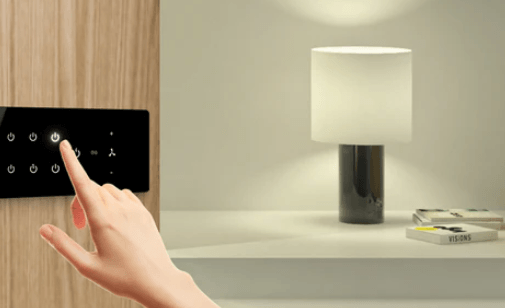

Smart devices reshape daily life by coordinating routines with minimal human input. They create predictable environments that still offer user choice, balancing automation with autonomy. Interoperability across platforms speeds tasks but raises questions about dependence and control. As data flows expand, privacy and ownership become evolving concerns with safeguards needed. The practical gains in energy savings, comfort, and accessibility are clear, yet ongoing costs and tradeoffs demand careful consideration to determine what freedom remains as convenience grows.
How Smart Devices Shape Daily Routines
Smart devices have become embedded in daily routines, coordinating tasks from wake-up alarms to thermostat adjustments with minimal human input. The pattern reveals how routines form around automation, shaping predictable cycles and responsive environments. Researchers note evolving smart habits that streamline decision points while preserving autonomy. Device interoperability enables cross-platform actions, yet raises questions about dependency, control, and the future cadence of everyday freedom.
Evaluating Privacy and Security Impacts
This analysis notes privacy risks arising from pervasive data flows and potential vulnerabilities, while acknowledging the evolving notion of data ownership.
Audiences seeking freedom demand transparent safeguards, responsible disclosure, and robust controls that empower informed, voluntary participation.
Choosing Ecosystems: Compatibility, Costs, and Control
Choosing ecosystems requires weighing how well devices and services interoperate, what ongoing costs arise, and who retains control over data and decisions.
The analysis identifies compatibility tradeoffs and highlights ecosystem costs, including subscription burdens and platform lock-in.
A detached view notes that cross‑vendor compatibility improves flexibility but may dilute privacy controls, while closed systems simplify setup yet constrain future choices and autonomy.
Practical Living Improvements: Energy, Comfort, and Accessibility
Practical living improvements focus on how intelligent devices translate into tangible benefits: measurable energy savings, enhanced comfort, and accessible interactions for diverse users. Energy monitoring enables real-time awareness, encouraging proactive consumption choices. Climate control automates environments with precision, balancing comfort and efficiency. The result is greater autonomy and flexibility, where smart systems support independent living while reducing unnecessary waste and broadening inclusive accessibility.
see also: trygravite
Frequently Asked Questions
How Do Smart Devices Affect Mental Health and Dependence?
Smart devices influence mental health by shaping privacy fatigue and autonomy strain, prompting vigilance and adaptation. They offer convenience yet risk surveillance anxiety, dependency cycles, and blurred boundaries, challenging individuals seeking autonomy while maintaining curiosity and measured, conscious use.
Can Smart Devices Help With Budget Tracking and Debt Avoidance?
Silhouettes of coins click as screens glow, and smart devices offer budget insights, guiding spending with gentle alerts. They enable debt prevention by forecasting expenses, tracking habits, and reinforcing autonomous, freedom-loving choices through disciplined, data-driven financial awareness.
What Are the Long-Term Environmental Impacts of Devices?
Long term energy use and resource depletion are central considerations; in the long term e waste accumulates, while supply chainImpact and recycling practices shape outcomes, prompting curiosity about optimization and freedom through responsible innovation and sustainable device lifecycles.
How Do Smart Devices Influence Social Dynamics at Home?
Smart devices influence social dynamics at home by shaping communication rituals and testing privacy boundaries; observers note shifts in initiative, shared control, and attentiveness, while individuals seek autonomy, yet remain connected, curating expectations and negotiating roles within technologically mediated interactions.
Are There Accessibility Challenges for Older Adults With Tech?
Yes, there are accessibility challenges for older adults with tech. The subject invites curiosity and analysis: accessibility training and device simplicity influence adoption, reducing friction and promoting autonomy, while remaining mindful of diverse needs and freedom from unnecessary complexity.
Conclusion
Smart devices don’t just simplify life; they orchestrate a symphony of wake-ups, weather, and routines with almost prescient precision. If you blink, your thermostat already knows the room’s mood; if you sigh, the lights respond with telepathic kindness. Yet beneath the glow lies a data map of likes, patterns, and preferences. The challenge is balancing this effortless cadence with genuine control, privacy, and choice, ensuring convenience never eclipses autonomy. An exciting, slightly unnerving future, brilliantly efficient yet watchful.