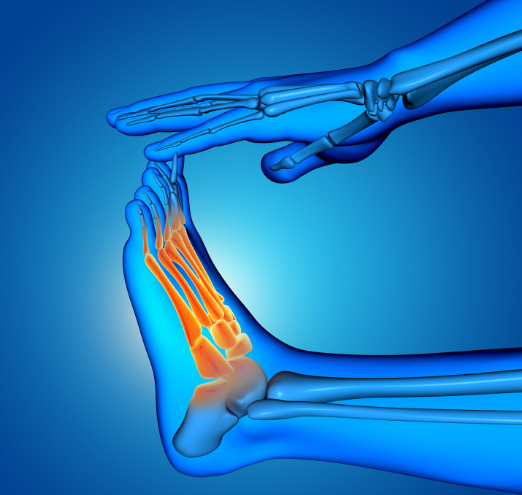

Orthotic devices can be very beneficial in improving daily life experiences. Depending on whether an individual uses them to relieve their foot pain, to improve alignment, or simply to provide additional support while moving around, orthotics can be significantly helpful, but only when combined with healthy practices. Minor changes made to daily life can have quite positive effects on their functioning. In relation to what kind of shoes one wears and overall body posture awareness, such changes can lead to being both comfortable and mobile. Below are some health recommendations for users of orthotics.
Choose Supportive Footwear
It is important to keep your orthotics inside proper shoes to optimize their performance. Shoes that are too tight or too loose and flexible, or feel uncomfortable for other reasons, may limit the effectiveness of your orthotics and cause some pain as a result. Ideally, you should look for shoes that have sufficient heel stability, depth for inserts, and reliable arch support. Having an easily removable insole would be a bonus. If you have to stay on your feet all day long, comfort is especially crucial for you. When your shoes and orthotics work together, pressure distributes more evenly across the feet, which can improve balance and reduce strain through the ankles and knees.
See also: Simple Health Tips to Help You Get the Most From Your Orthotics
Give Your Body Time to Adjust
If you have just started using orthotics, it is quite normal that you require some adjustment period as well. It can take some time until your feet and legs get used to wearing them because it can become uncomfortable for some patients to wear orthotics straight away for several hours. This discomfort will eventually fade out if you start increasing the amount of time for which you wear orthotics. In case you experience any slight pain in your feet, it is advised that you pay close attention to your body’s reaction.
Consider Custom Solutions for Your Needs
Each foot does not have the same structure, gait, and support needs. In some cases, getting your own customized orthotic devices may be considered, particularly when pain is chronic. In Canada, there are many individuals who look into having customized inserts when their usual inserts cannot alleviate their symptoms. Some individuals opt for custom orthotics in Toronto that are designed around their gait, pressure points, and lifestyle. A personalized approach can improve comfort during daily activities while offering support specific to the way your body moves. A professional assessment can also help identify issues that may not be obvious at first.
Keep Moving and Stretch Regularly
Your feet need orthotics, but your entire body needs movement. Exercise and stretching can increase flexibility, circulation, and strength of muscles, thus contributing to good alignment. Stretching of the legs, ankles, and arches will be useful in relaxing the muscles, especially if you spend much time standing on your feet. Exercises such as walking, swimming, or riding a bicycle are also suitable in combination with orthotics. Being physically active promotes mobility of joints and relieves stiffness that develops during the day.
Maintain and Replace Orthotics When Needed
Orthotic devices go through everyday wear and tear and hence need to be taken care of. This will help you prevent any odor and deterioration of the materials used in these devices. Watch out for any wear that may occur, such as thinning, cracks, uneven compression, and loss of cushioning. With time, other factors such as your activity levels, shoes, and even the shape of your feet can make your orthotic devices become obsolete. Replacement of the old ones in time will save you from pain.
To summarize, orthotics have potential benefits, but their effectiveness can be greatly enhanced through the inclusion of healthy daily practices. Proper footwear, adequate time to adjust to orthotics, remaining active, considering customized options where necessary, and even taking care of your orthotics will all help you achieve greater levels of well-being. Through healthy practices, orthotics can help promote health and wellness.