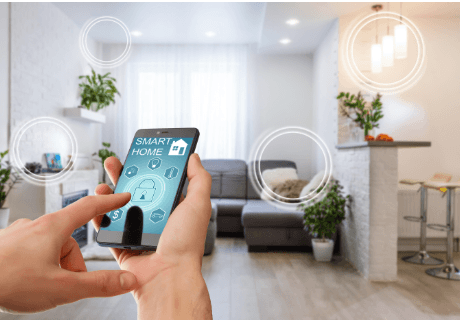

Smart devices automate routine tasks and deliver real-time, contextual insights that guide quick, data-driven decisions. Adaptive interfaces reduce physical strain while prompting users with prescriptive paths. In hybrid teams, synchronized devices surface status and availability, trimming delays and improving collaboration. Security, privacy, and governance remain central as resilient architectures enable autonomy. The outcome is a shift from reaction to anticipation, turning episodic data into consistent, measurable habits—with implications that demand closer scrutiny.
What Smart Devices Really Do for Daily Workflows
Smart devices streamline daily workflows by automating routine tasks, enhancing real-time communication, and providing contextual insights that inform decision-making. The analysis shows measurable efficiency gains through AI automation, with reduced task latency and fewer manual errors.
Ergonomics impact is mitigated by adaptive interfaces and prescriptive prompts.
Future adoption hinges on scalable data integration, security, and continuous performance benchmarking for autonomous workflow optimization.
How Devices Shape Collaboration Across Hybrid Teams
Devices shape collaboration across hybrid teams by enabling synchronized workflows, transparent communication, and contextual collaboration cues that align dispersed members. Data indicates higher mutual awareness when devices surface real-time status and availability, reducing delays. Forward-looking models suggest boundary management becomes essential: teams negotiate expectations, preserve autonomy, and sustain momentum across time zones, platforms, and device ecosystems for durable, scalable collaboration.
Security, Privacy, and Trust in a Connected Workplace
Security, Privacy, and Trust in a Connected Workplace demand a rigorous, data-driven assessment of how pervasive devices shape risk, governance, and user confidence. The analysis quantifies privacy risks and trust implications across networks, endpoints, and policies, highlighting measurable mitigation pathways. A forward-looking framework aligns governance with user autonomy, emphasizing transparent data practices, risk-aware design, and resilient, adaptable security architectures for freedom-conscious organizations.
Turning Data Into Smarter Habits and Outcomes
The analysis remains data driven, highlighting patterns that anticipate needs and reduce friction.
Device enabled workflows become outcomes oriented, informing decisions with measurable impact.
This approach supports proactive effort, continuous improvement, and freedom to innovate within streamlined, workflow improving practices.
Frequently Asked Questions
How Do Smart Devices Impact Employee Wellness and Burnout Risk?
Smart devices influence wellness by monitoring sleep quality and reducing ergonomic risk through data-driven prompts; however, continuous alerts may increase burnout risk if not balanced with autonomy, privacy controls, and adaptive workloads, enabling a forward-looking, freedom-focused optimization.
Can Devices Replace In-Person Mentorship and Informal Feedback?
A recent study finds 42% of employees report faster decision-making with digital coaching. Devices cannot fully replace mentorship replacement or informal feedback dynamics; they augment, not substitute, human guidance, preserving autonomy while enabling scalable, data-driven development opportunities.
What About Device Maintenance Costs and Lifecycle Planning?
Device maintenance costs and lifecycle planning require ongoing data analysis, predictive budgeting, and standardized refresh cycles; organizations should track failure rates, spare parts availability, and total cost of ownership to sustain scalable, autonomous operations with flexible budgets.
How Do Devices Affect Inclusivity and Accessibility for All Staff?
Irony paints a busy desk as devices promise equality yet reveal inclusivity gaps; accessibility barriers persist. Devices shape staff experiences analytically, revealing metrics, while forward-looking strategies quantify progress and close gaps, granting freedom through universally usable interfaces and support.
See also: trygravite
Do Smart Devices Influence Organizational Culture and Norms?
Smart devices influence organizational culture and norms by shaping mental models and decision making; data-driven analyses anticipate patterns, revealing how autonomy and transparency expand freedom while embedded technologies gradually recalibrate shared expectations and collective behaviors within teams.
Conclusion
Smart devices act as quiet conductors, aligning daily workflows with data-driven prompts and adaptive interfaces. By highlighting real-time status and suggesting prescriptive actions, they reduce friction and error. In hybrid teams, visibility and synchronized alerts mirror a rising orchestra, where collaboration flows with less lag. As governance and resilience mature, trust becomes the overture that enables autonomy. The result is a forward-looking ecosystem: measurable productivity gains, smarter habits, and decisions informed by integrated, contextual insight—without sacrificing privacy.